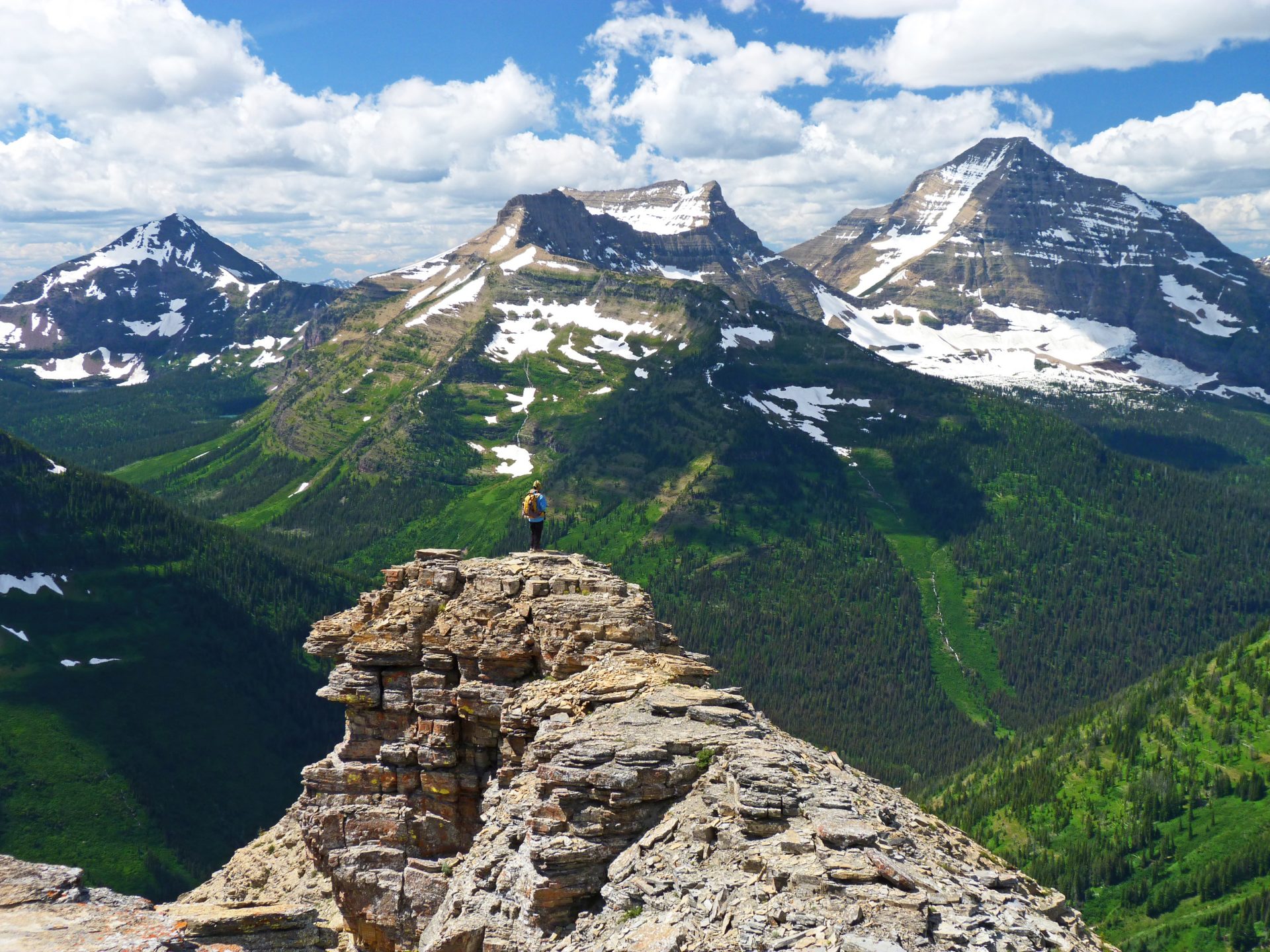
Dawson Pitamakan Pass Loop: Mastering the Windy Glacier Ridgeline
For many devoted hikers, the Dawson Pitamakan Pass Loop Trail in Glacier National Park isn't just another item on a bucket list – it's a legendary journey that whispers promises of unparalleled alpine beauty and exhilarating challenge. This isn't a casual stroll; it's a full-day epic, demanding respect for its length, elevation, and the notoriously dynamic weather of the high Rockies. Yet, for those who embrace the adventure, the rewards are monumental: sweeping panoramas, serene glacial lakes, and the profound satisfaction of traversing one of Glacier's most iconic and remote ridgelines.
Located in the pristine Two Medicine district, the Dawson Pitamakan Loop offers a serious adventure away from the often-heavy crowds found along the Going-to-the-Sun Road. It’s a route that truly immerses you in the raw wilderness of Glacier, featuring two incredible alpine passes – Dawson Pass and Pitamakan Pass – and a spectacular collection of stunning lakes, including Two Medicine Lake, Oldman Lake, and No Name Lake. Totaling nearly 19 miles, this loop is typically undertaken as a strenuous day hike, or for those seeking to savor the experience, a rewarding 2-day backpacking trip.
Navigating the Loop: Which Direction is Best?
The decision of whether to tackle the Dawson Pitamakan Pass Loop clockwise (starting with Dawson Pass) or counter-clockwise (starting with Pitamakan Pass) is a common point of discussion among trekkers. While both directions offer breathtaking scenery, the consensus among many seasoned hikers, including ourselves, leans towards starting with Dawson Pass.
The Ascent to Dawson Pass First
Opting for the Dawson Pass approach means you'll gain the bulk of your significant elevation relatively quickly. While this makes for a leg-burning climb initially – a sustained 2,000 feet of ascent to the first pass – it's often preferred for a few strategic reasons. First, you get the most demanding physical exertion out of the way early, allowing you to focus on soaking in the views once you reach the higher elevations. Second, by knocking out the steepest climbs, the rest of your day unfolds with a more gradual descent, particularly as you make your way down from Pitamakan Pass. This gentler decline is a true blessing for weary knees and joints, providing a welcome reprieve after the initial push.
There’s also a subtle, psychological benefit to this direction. Near the end of the Pitamakan descent, you will encounter some modest elevation gain. While this might annoy some hikers expecting a pure downhill cruise to the finish, many find it invigorating – a final challenge that re-engages different muscle groups and can actually relieve pressure on feet and joints that have been solely descending for hours.
Finally, while the light for photography is challenging during the "harshest light of the day" (midday) when you’ll likely be at the passes, the angle tends to be marginally better for capturing the dramatic vistas if you’re traversing from Dawson to Pitamakan. However, in such a dynamic environment, being flexible and prioritizing safety over the perfect shot is always paramount.
Considerations for the Pitamakan Descent
Choosing the Dawson Pass first route means your journey down from Pitamakan Pass is significantly more gradual. This long, steady decline allows you to truly appreciate the unfolding landscapes, often feeling less taxing than a steep, jarring descent. The views continually change, revealing new lakes and valleys with each switchback, keeping the journey engaging even as your energy wanes.
Conquering the Ridgeline: Tips for the Dawson to Pitamakan Section
The section connecting Dawson Pass to Pitamakan Pass is arguably the most memorable, and simultaneously, the most challenging part of the entire loop. This high-alpine ridgeline traverse is where you truly earn the "mastering the windy Glacier ridgeline" moniker. It is incredibly scenic but also exposed, demanding respect and careful preparation.
Preparing for High Winds
This area is notoriously windy, and we cannot stress this enough. Stories abound of hikers having to turn back due to winds so powerful they can actually lift small rocks off the ground. These aren't just breezes; they are often intense, unpredictable gusts that can genuinely knock you off your feet if you're not ready.
Our primary advice for navigating this section:
- Stay Low: When you feel a significant gust building, get low to the ground. This lowers your center of gravity and significantly reduces your profile, making you less susceptible to being pushed around.
- Secure Everything: Even if the wind feels manageable at first, put away all loose items – cameras, hats, water bottles, anything that isn't firmly attached – *before* you enter this section or round any corners. The wind can go from a mild push to a powerful gale in an instant, and losing gear in such conditions is a real possibility.
- Listen to the Warnings: If park rangers issue wind advisories, or if you encounter conditions that feel unsafe, it is *always* best to turn around. No view is worth risking serious injury.
- Layer Up: Even on a sunny day, the wind chill on the ridgeline can be intense. A windproof and waterproof outer shell is non-negotiable.
For more detailed wind tips and strategies for this challenging section, we highly recommend checking out our comprehensive guide:
Dawson Pitamakan Loop: Your Guide to Glacier's Epic Trail & Wind Tips.
Exposure and Drop-offs
Beyond the wind, the ridgeline features exposed areas and significant drop-offs. While the trail itself is generally wide enough to feel secure, individuals with a fear of heights should be aware of these sections. Maintain focus, watch your footing, and move deliberately. The breathtaking beauty can be distracting, but your primary focus must be on safe passage. Despite these challenges, the sense of accomplishment and the sheer grandeur of the views from this high traverse are simply unparalleled. You'll witness Glacier National Park in a way few others do, with crystalline lakes shimmering far below and jagged peaks stretching to the horizon.
Essential Planning & Preparation for Your Adventure
Successfully completing the Dawson Pitamakan Pass Loop trail in Glacier National Park requires more than just good intentions; it demands thorough planning and physical preparedness.
Trail Length and Difficulty
At nearly 19 miles with substantial elevation gain, this is a strenuous undertaking. Ensure you have the physical stamina for a long day on the trail. Regular cardiovascular exercise and some longer practice hikes in the weeks leading up to your trip are highly recommended. If planning an overnight backpacking trip, secure your backcountry permits well in advance, as they are highly competitive.
Lake Shuttle Advantage
A fantastic way to shave off a couple of initial miles and enjoy a scenic start is to utilize the boat shuttle across Two Medicine Lake. This allows you to begin your ascent refreshed and save your energy for the more demanding sections of the trail. Many hikers grab breakfast on the far side of the lake before beginning the main climb, making for a perfect start to a long day.
Gear Up for Glacier's Alpines
Beyond the windproof layers mentioned earlier, pack essentials include:
- Plenty of Water: Hydration is critical for a hike of this duration and elevation.
- Sun Protection: The exposed alpine environment means intense sun. Sunglasses, wide-brimmed hats, and sunscreen are a must.
- Sturdy Footwear: Well-broken-in hiking boots with good ankle support are crucial for the varied terrain.
- Navigation: A map and compass or a reliable GPS device are essential, even on well-maintained trails.
- Bear Spray: You are in bear country. Carry bear spray and know how to use it.
- Snacks and Meals: Pack calorie-dense foods to fuel your body throughout the day.
Ready to take on this challenge and unlock some of Glacier's most spectacular vistas? Get more inspired and detailed preparation tips from our guide:
Conquer Glacier's Dawson Pitamakan Loop: Epic Views Await.
The Dawson Pitamakan Pass Loop trail in Glacier National Park is more than just a hike; it's an immersive journey into the heart of one of America's most treasured wild places. It’s a test of endurance, a dance with the elements, and an unparalleled opportunity to witness breathtaking landscapes that few ever experience. By understanding its challenges and preparing diligently, you can confidently embark on this epic adventure, master the windy glacier ridgeline, and create memories that will last a lifetime.